

At Domino Service Dogs (DSD), we empower individuals with disabilities to train their own life-saving service dogs. Over the course of our comprehensive two-year owner-trained program, you will attend weekly hands-on classes at our dedicated facility in Lakewood, CO, working side-by-side with experienced, certified professional trainers to build a reliable, life-changing working partnership.
Our structured curriculum guides you through every milestone—from foundational obedience and specialized task training to public access navigation and real-world environmental exposure—ensuring you and your dog develop deep trust, precise focus, and dependable skills.
We specialize in guiding handler-dog teams through the multi-stage training required to address specific disability needs. Every service dog's training plan is customized to perform practical, daily tasks that increase independence, mitigate symptoms, and enhance overall safety
Designed for individuals who are deaf or hard of hearing, this program trains dogs to serve as their handler's ears. Dogs learn to make direct physical contact—such as a gentle nose nudge, paw touch, or leg press—to alert their handler to specific sounds and lead them directly to the source.
Trained tasks include:
Alerting to household sounds: doorbells, door knocks, kitchen timers, microwave/oven beeps, and running water or overflowing sinks.
Safety and emergency alerts: smoke detectors, carbon monoxide alarms, intruder alarms, and siren sounds.
Personal and environmental alerts: phone ringtones, alarm clocks, crying babies or dropped items, someone calling the handler’s name, or vehicles approaching from behind while walking outdoors.
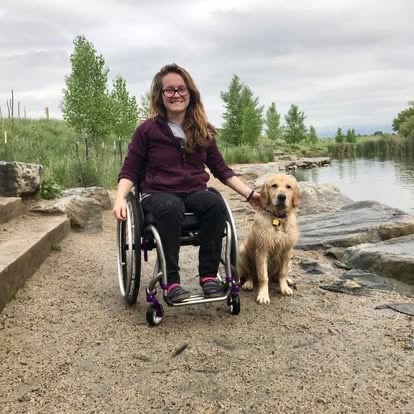
Focused on safety, independence, and rapid assistance before, during, and after a seizure event. Trained tasks include:
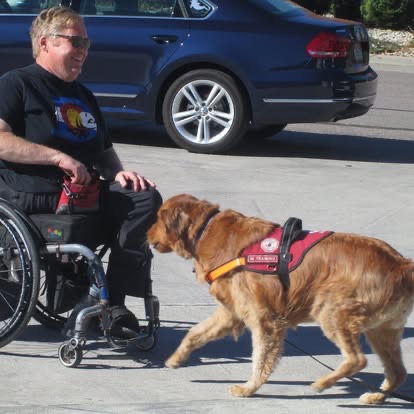
Tailored to assist individuals with physical disabilities, movement disorders, paralysis, chronic pain, or severe balance limitations. Trained tasks include:
Tailored specifically for handlers managing Postural Orthostatic Tachycardia Syndrome (POTS) and autonomic nervous system dysfunction. Trained tasks include:
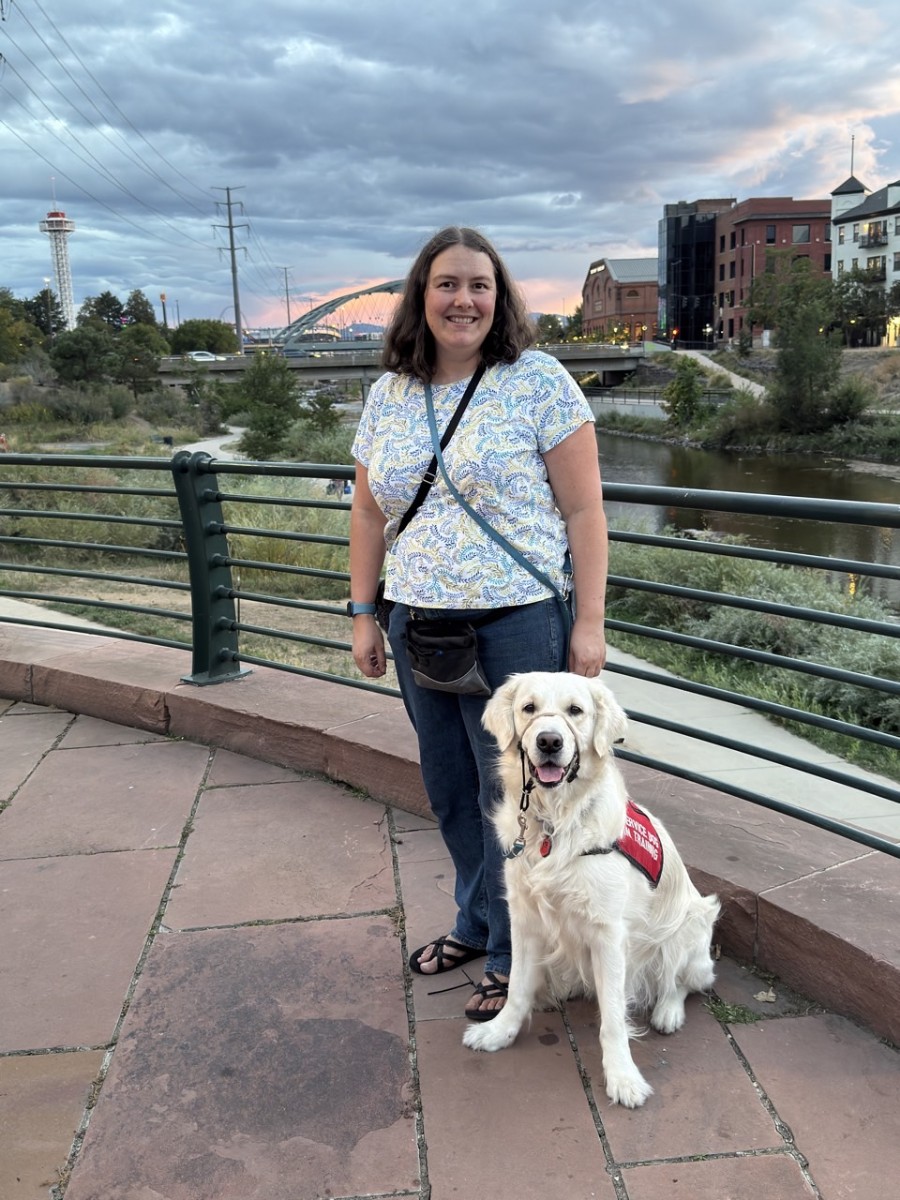 olyte drinks, sodium packs, cooling towels, or emergency medication bags from designated areas or nearby tables upon request or automatically during an episode.
Created for individuals navigating PTSD, severe anxiety disorders, panic disorders, traumatic brain injuries, or other psychiatric conditions.
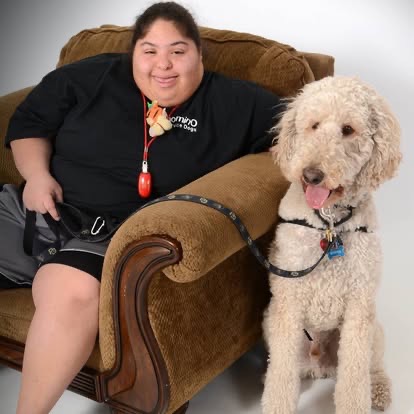
Fostering independence, safety, and sensory regulation through custom task training. Designed for neurodivergent individuals and owner-trainer handlers, an autism service dog serves as a steady, reliable working partner trained to mitigate the unique challenges of autism spectrum conditions in both everyday home environments and public spaces.

Our owner-trainer model is built on step-by-step progression, ongoing professional evaluation, and comprehensive community support to ensure long-term success:
Weekly In-Person Facility Classes
Held at our Lakewood center, these mandatory weekly group sessions provide structured learning, progressive skill development, and real-time feedback from professional trainers. You will master effective handler mechanics, leash handling, marking behaviors, and troubleshooting challenges in a controlled environment.
Public Access Coaching & Field Outings
Service dogs must maintain flawless focus and behavior in non-dog-friendly public settings. We conduct guided group training field trips to local stores, malls, public transit hubs, restaurants, and outdoor events throughout the Denver metro area to ensure your dog operates calmly, quietly, and confidently under Americans with Disabilities Act (ADA) guidelines.
Positive, Evidence-Based Training Methods
We utilize force-free, reward-based training techniques grounded in modern canine behavior science. This humane approach fosters high enthusiasm for work, clear communication between handler and dog, and a resilient, stress-free working relationship.
Legal Rights, Self-Advocacy & Legal Education
Navigating life with a service dog requires a clear understanding of federal and state accessibility laws. We provide detailed education on your rights under the Americans with Disabilities Act (ADA), Fair Housing Act (FHA), Air Carrier Access Act (ACAA), and Colorado state laws, empowering you with the knowledge to advocate for yourself and your dog confidently.
Peer Support & Community Alumni Network
Owner-training a service dog requires dedication, time, and patience. Our program connects you with a compassionate network of fellow owner-trainers who understand the daily realities of living with a disability. From shared class experiences to alumni support after graduation, you will never have to navigate the journey alone.
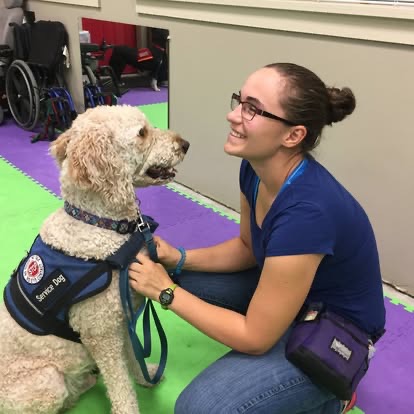
Whether you need assistance evaluating a prospective puppy candidate or are ready to launch foundational training with an eligible dog, Domino Service Dogs is here to support you. Our certified trainers provide compassionate, force-free guidance tailored to your unique goals and accessibility needs.
Don't wait to take the first step toward greater confidence, mobility, and independence. Contact our team today to discuss dog eligibility, schedule an initial evaluation, or learn more about our upcoming class cohorts!


